
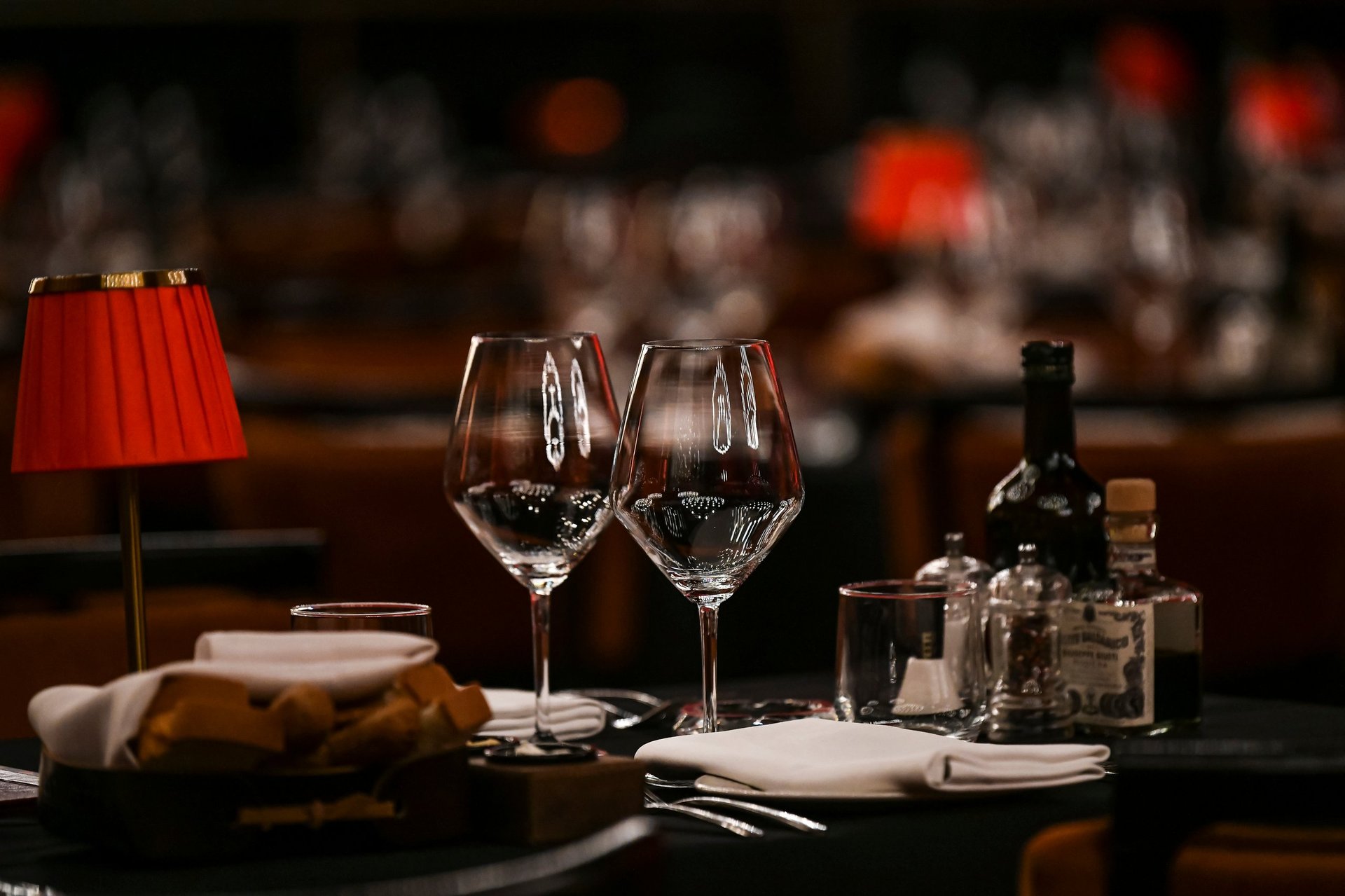
The world's most coveted restaurant accolade — a distinction that can define a chef's career, transform a restaurant's fortunes, and turn a dining room into a global pilgrimage site. VIPMAKKI's definitive guide to Michelin stars: what they mean, how they're awarded, and how to dine at the world's most exclusive tables.
In 1900, the Michelin tyre company — founded by brothers André and Édouard Michelin in Clermont-Ferrand, France — published the first Michelin Guide. It was a marketing strategy: a free red guidebook given to French motorists, containing maps, tyre repair instructions, and listings of hotels, mechanics, and restaurants along the routes of France. The idea was simple — the more people drove, the more tyres they would need to replace.
In 1926, the guide began awarding stars. The three-star hierarchy — introduced in 1931 — has remained unchanged for nearly a century. The criteria were formalized in 1936 into the five assessment categories still used today. Today, the Michelin Guide covers over 35 countries and represents the most powerful restaurant rating system in the world.
One star means high-quality cooking worth a stop — approximately 2,800 restaurants worldwide. Two stars indicate excellent cooking worth a detour — around 500 restaurants globally. Three stars represent exceptional cuisine worth a special journey — only about 140 restaurants on earth hold this ultimate accolade. Three stars represent fewer than 0.01% of all restaurants in Michelin-covered regions.
The financial impact is staggering. A single star can increase revenue by 20–30%. Three stars transforms a restaurant into a global destination with years-long waiting lists. The late Joël Robuchon held 32 Michelin stars — more than any chef in history. VIPMAKKI secures tables at the world's most sought-after starred restaurants.
Worth a stop. ~2,800 worldwide.
Worth a detour. ~500 worldwide.
Worth a special journey. ~140 worldwide.
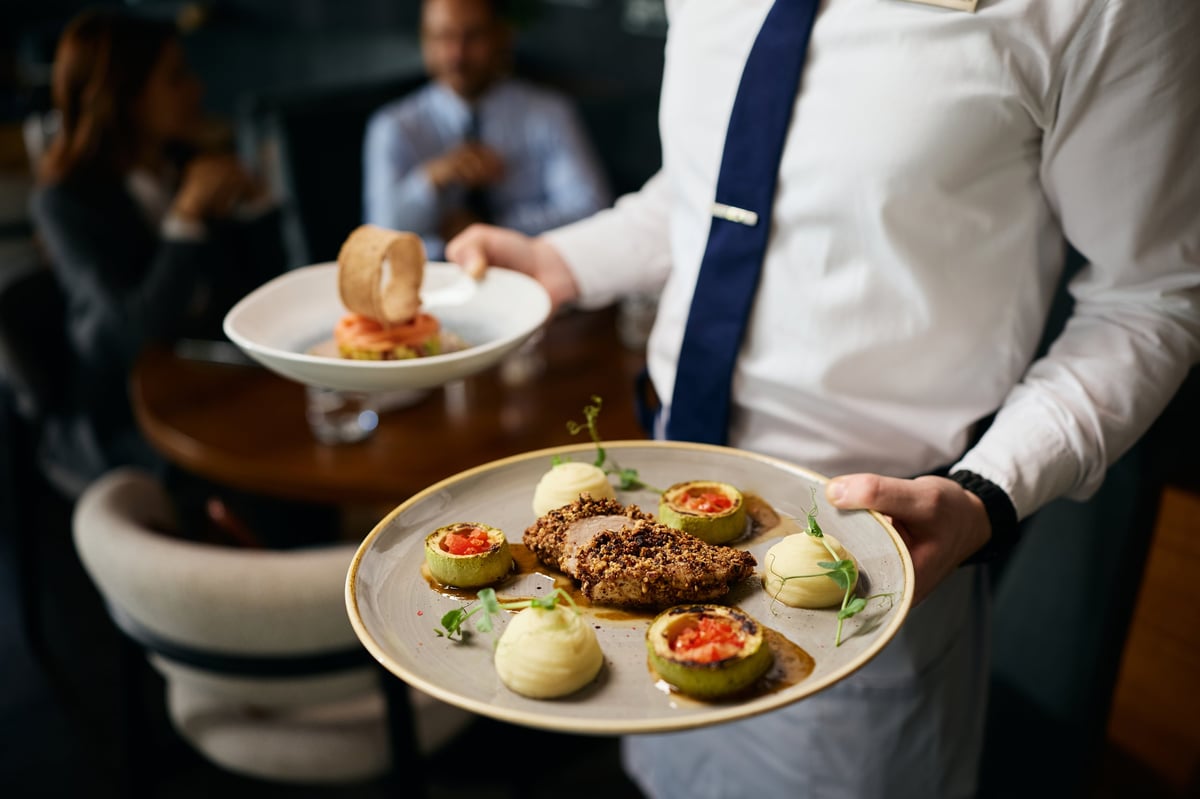
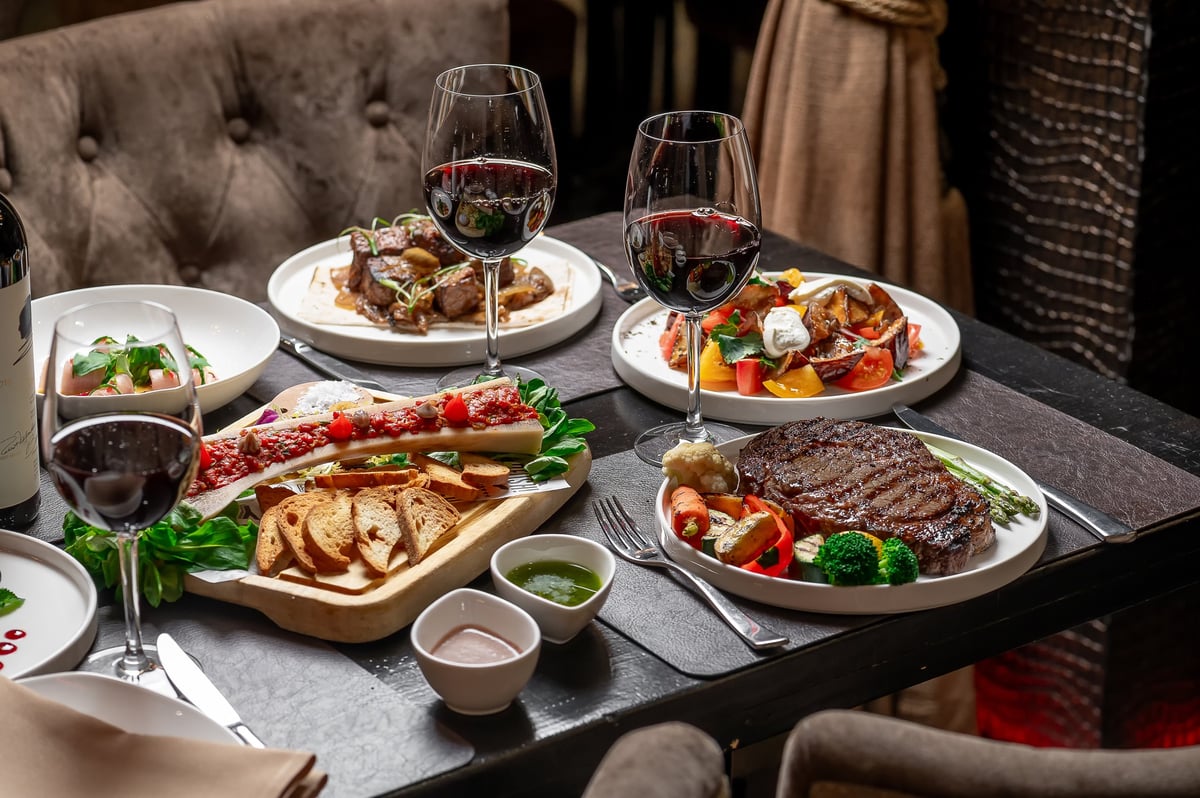
Michelin inspectors are the most anonymous figures in gastronomy. Their identities are rigorously protected — they cannot disclose their profession even to family members, cannot speak to journalists, and many have never been photographed publicly. Inspectors dine anonymously at restaurants multiple times, paying their own bills and never revealing their presence.
They are former hospitality professionals — chefs, sommeliers, hoteliers — with extensive industry experience. Star decisions are made by committee; no single inspector awards or removes a star unilaterally. The consistency criterion — that a restaurant must deliver the same quality on a quiet Tuesday lunch as a packed Saturday night — is considered the most demanding.
Since 1936, Michelin inspectors have evaluated restaurants on five universal criteria, applied identically in every country the guide covers.
Sourcing, freshness, seasonality, and integrity of raw materials.
Cooking temperatures, seasoning, sauce execution, texture contrasts.
A distinctive culinary point of view expressed in every dish.
Is the price justified by the quality delivered?
Same quality across every visit — the most demanding criterion.
The Bib Gourmand — named after Bibendum, the Michelin Man — awards restaurants offering exceptional value: a full three-course meal at a moderate price. Unlike stars, which focus on culinary excellence regardless of cost, the Bib Gourmand highlights quality-to-price ratio. The threshold varies by country — typically €35–40 in Europe, around $50 in major US cities.
Introduced in 2020, the Michelin Green Star recognizes restaurants at the forefront of sustainable gastronomy: local sourcing, seasonality, food waste reduction, ethical supply chains, and staff education. A Green Star can be held alongside any tier of Michelin star — a three-star restaurant can also hold a Green Star.

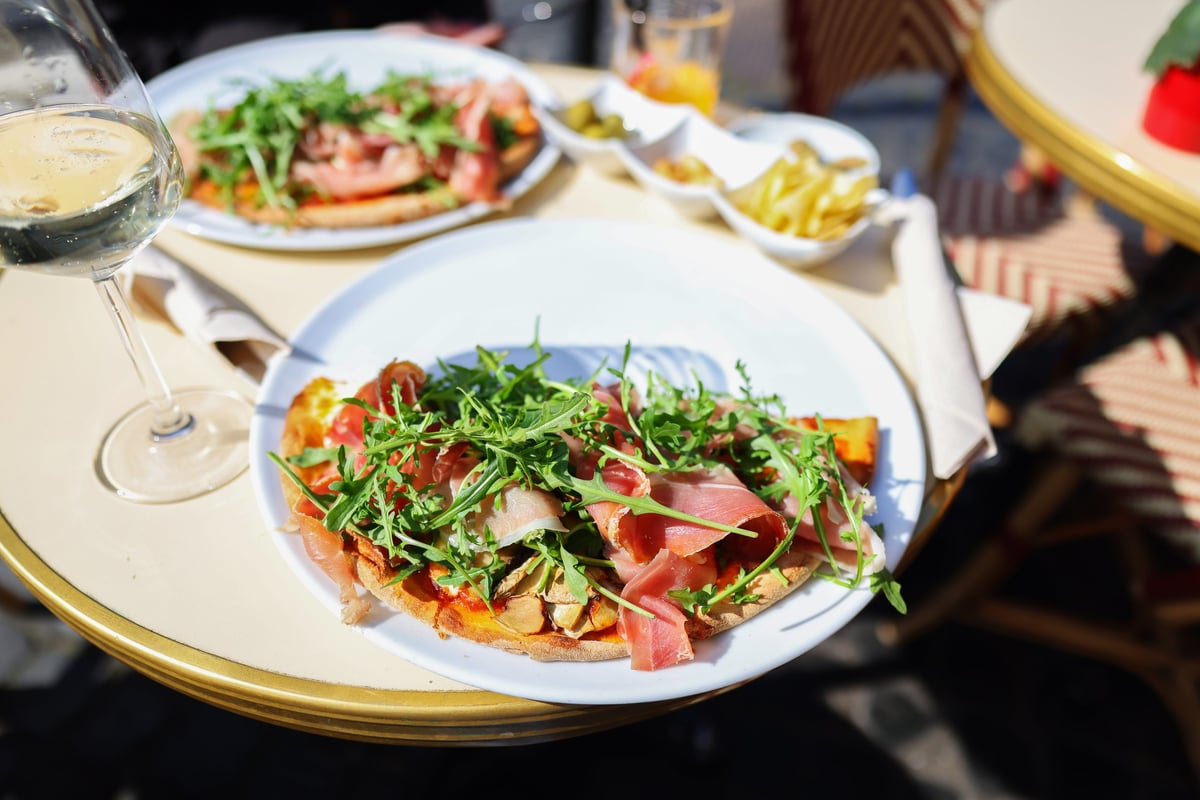
Tokyo has more Michelin-starred restaurants than any other city — over 200 starred establishments. Paris, the guide's birthplace, follows with approximately 120. Japan as a country has the most three-star restaurants globally. France maintains the deepest concentration of three-star restaurants per capita. The United States has approximately 200 starred restaurants.
200+ starred. Most decorated city on earth.
~120 starred. Home of the Guide.
500+ starred. Most three-star restaurants of any country.
600+ starred. Deepest concentration of three-star dining.
Earning a star is extraordinarily difficult — losing one can be catastrophic. Stars are gained through sustained excellence across all five criteria over multiple anonymous inspections. They are lost when consistency falters. Common causes include declining ingredient quality, inconsistency between visits, departure of a key chef, or complacency after initial success.
The financial stakes are enormous. A single star can increase revenue by 20–30%. Losing one can trigger an immediate decline in bookings and morale. Chef Bernard Loiseau took his own life in 2003 amid speculation his three-star restaurant would be downgraded — an event that sparked international conversation about the pressure the guide places on chefs.
False. Stars evaluate only the food. Service and atmosphere are rated separately using fork-and-spoon symbols.
False. They visit anonymously, pay their own bills, and never reveal their identity.
False. Stars must be re-earned on every inspection cycle. Even three-star establishments lose stars.
False. Bib Gourmand and Michelin Selected include thousands of affordable restaurants.
Not necessarily. Stars measure culinary ambition, not personal preference.
Japan has the most three-star restaurants globally — more than France itself.
Booking a Michelin-starred restaurant — especially at the three-star level — requires preparation and strategy. Each restaurant operates on a specific booking cadence, and understanding that cadence is the difference between securing a table and being locked out. Most three-star restaurants release reservations months in advance, with tables booking within minutes of release.
VIPMAKKI's concierge team secures reservations at restaurants that appear perpetually fully booked. We maintain relationships with maîtres d'hôtel, restaurant directors, and hotel concierges worldwide. We understand the specific booking windows, cancellation patterns, and protocols of the world's most exclusive dining rooms.
At the three-star level, meals involve 15–20 courses over four or more hours. Service is choreographed with precision. Tasting menus cost $300–$800 per person before wine. Three-star restaurants often require jackets for gentlemen — particularly in France and Japan. Two-star venues are smart with jacket optional. One-star and Bib Gourmand establishments range from smart casual to relaxed.
Arrive precisely on time — late arrivals disrupt service for the entire dining room.
Communicate dietary restrictions at booking, not on arrival.
Dress appropriately for the tier — check the restaurant's specific dress code.
Understand tipping culture: service typically included in Europe; 20%+ in the US.
VIPMAKKI secures reservations at the world's most coveted Michelin-starred restaurants — from three-star temples of gastronomy to the most exciting new one-star openings. Tell us where and when you'd like to dine.
Request a ReservationFrom the world's finest hotels and Michelin-starred restaurants to superyacht charters and private aviation — every luxury experience, curated by VIPMAKKI.