
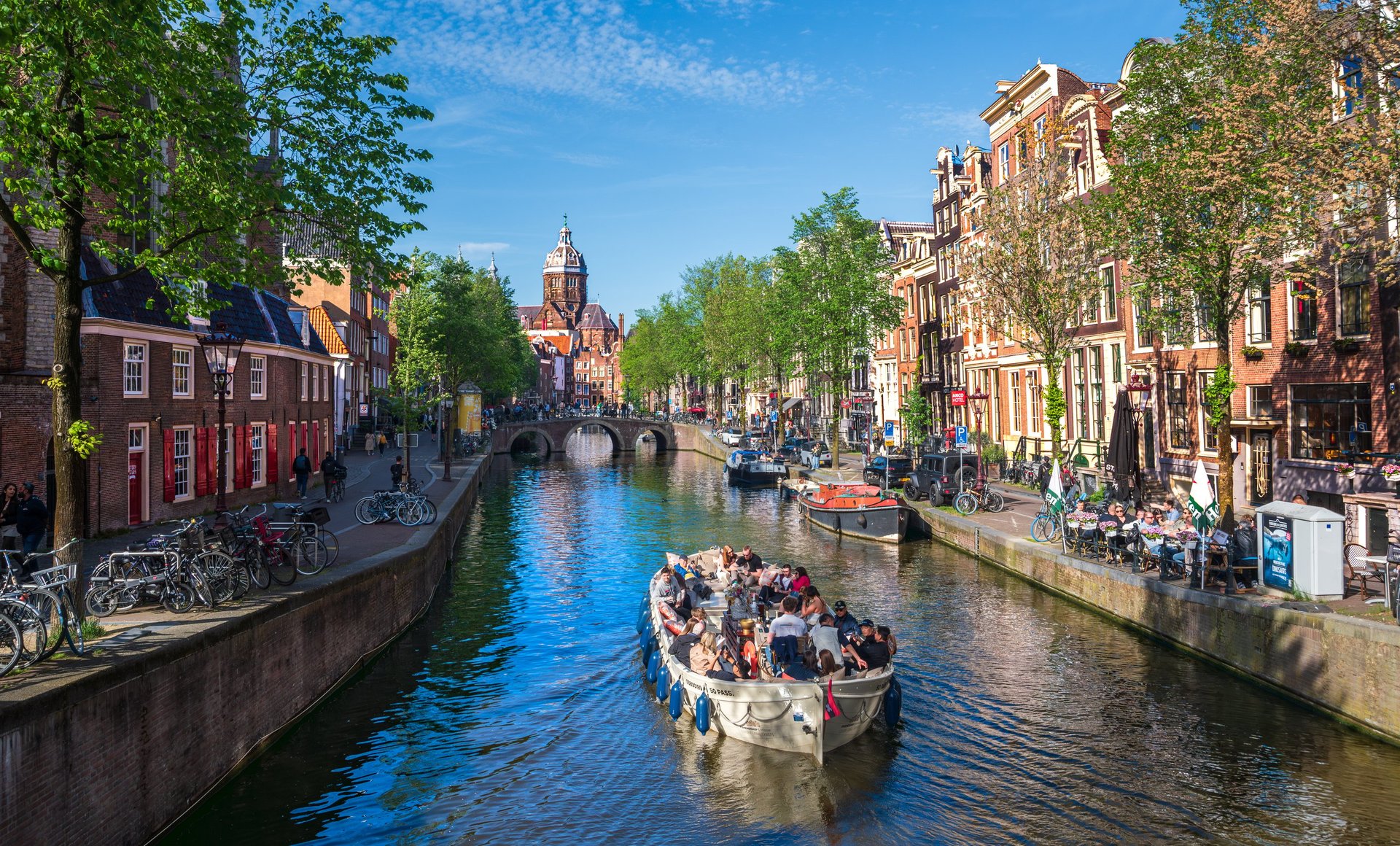
Which European cities are genuinely at their best between November and February — and which ones you should save for summer. A short, opinionated guide to the season.
The best winter cities share three things: a compact historic core you can cross on foot without freezing, a genuine café and concert culture to retreat into, and enough light to photograph well by mid-afternoon. Cities that depend on their waterfronts or long promenades are far better in May. Here is how the main candidates actually stack up.
 Best overall
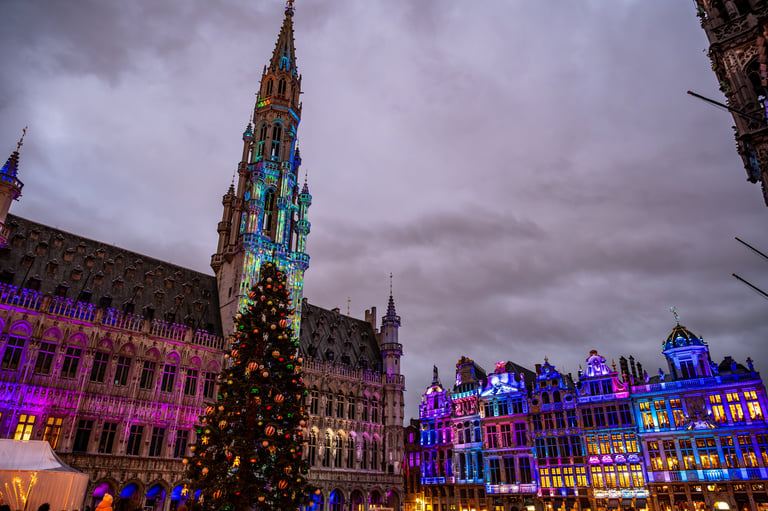
Vienna is arguably Europe's most complete winter city. The Christmas market season runs across the Rathausplatz, Schönbrunn and the Spittelberg, but the real argument is the rest of it: opera and concerts at full density, coffee houses built for sitting for three hours, and a museum quarter that asks nothing of the weather.
January and February are quieter and considerably better value, with the ball season beginning in January.
Vienna guide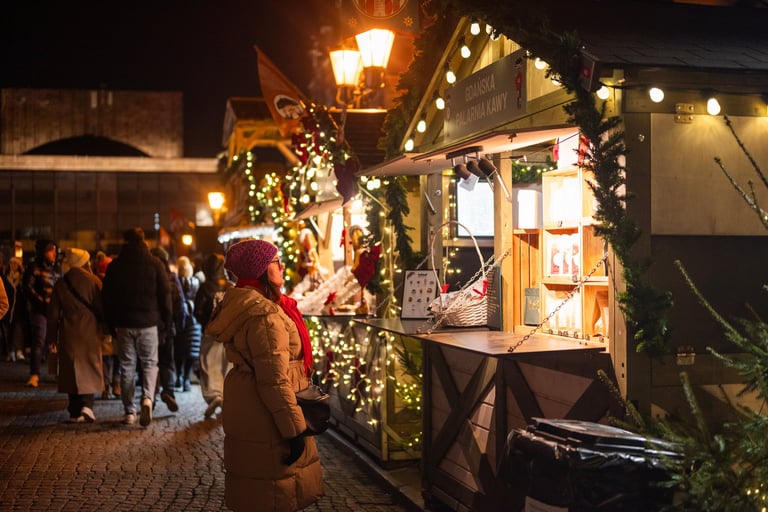 Most atmospheric
Snow on the Old Town Square, the Christmas market beneath the Týn church, and a city that looks drawn for the season. Prague is at its most cinematic in December — and its most crowded.
Go in early December rather than between Christmas and New Year, and book the castle district and concerts well ahead.
Prague guide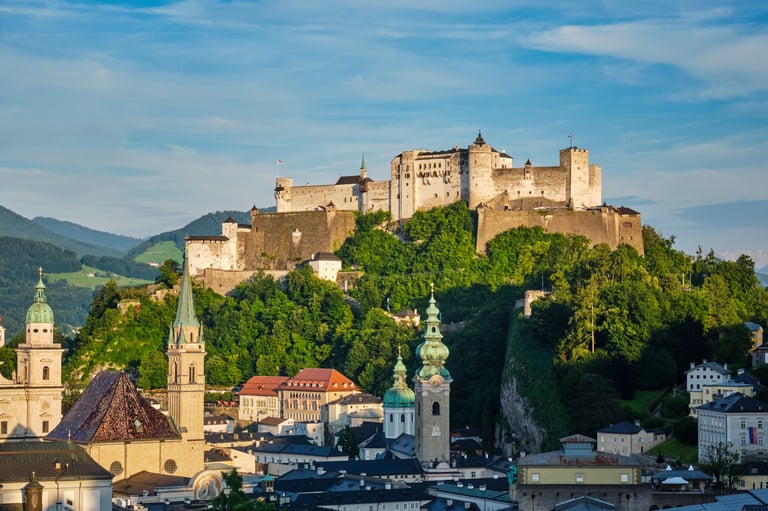
A small baroque centre that works beautifully in the cold, with Advent markets and the fortress above it. Pair it with the Alpine lakes or a ski leg — winter is when the region makes most sense.
Note that the Salzburg Festival is a summer event; winter visits are about the city and the mountains, not the opera.
Salzburg guide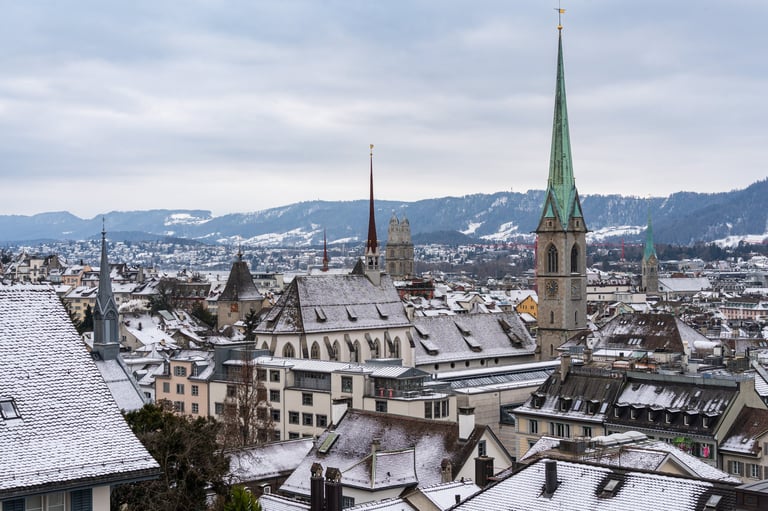 Discreet
Both Swiss cities are calm, well-run and easy in winter — Christmas markets, lake settings, and an hour from serious skiing. Geneva pairs naturally with the French Alps; Zurich with the Engadin and St Moritz via the Glacier Express.
Switzerland is at its most appealing as a two-city-and-mountains itinerary rather than a single-city break.
Excellent in winter for theatre, restaurants and hotels — and far cheaper than summer. Daylight is short, so plan indoor anchors: galleries, matinées, long lunches. Christmas lights and the South Bank markets carry December.
London guide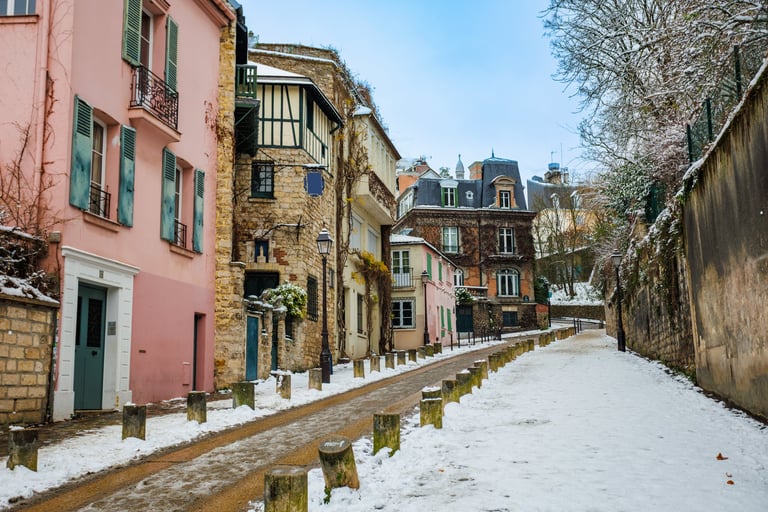
Cold but composed. Museums, galleries and the city's dining are at their most accessible, and hotel rates soften outside the holidays. Christmas markets along the Champs-Élysées are busy; the smaller neighbourhood ones are better.
Paris guide
A winter city by temperament — gallery and club culture, and a Christmas market tradition that is genuinely local rather than staged. Cold and grey, but the indoor life is unmatched.
Berlin guideCities whose appeal is fundamentally outdoor: the Mediterranean coastal destinations, the Italian lakes, and northern cities built around long days. Venice in winter is atmospheric but frequently damp and prone to acqua alta; the Amalfi Coast largely shuts down.
The strongest winter itineraries combine a city with a ski leg. Two or three nights of culture and restaurants, then a transfer into the Alps — Zurich to St Moritz, Geneva to Courchevel, Salzburg to the Salzkammergut, Vienna to the Arlberg.
Tell us the dates and whether you want a single city or a city-plus- mountains trip. We'll suggest the route and handle the hotels, tickets and transfers.
Request Concierge Access