
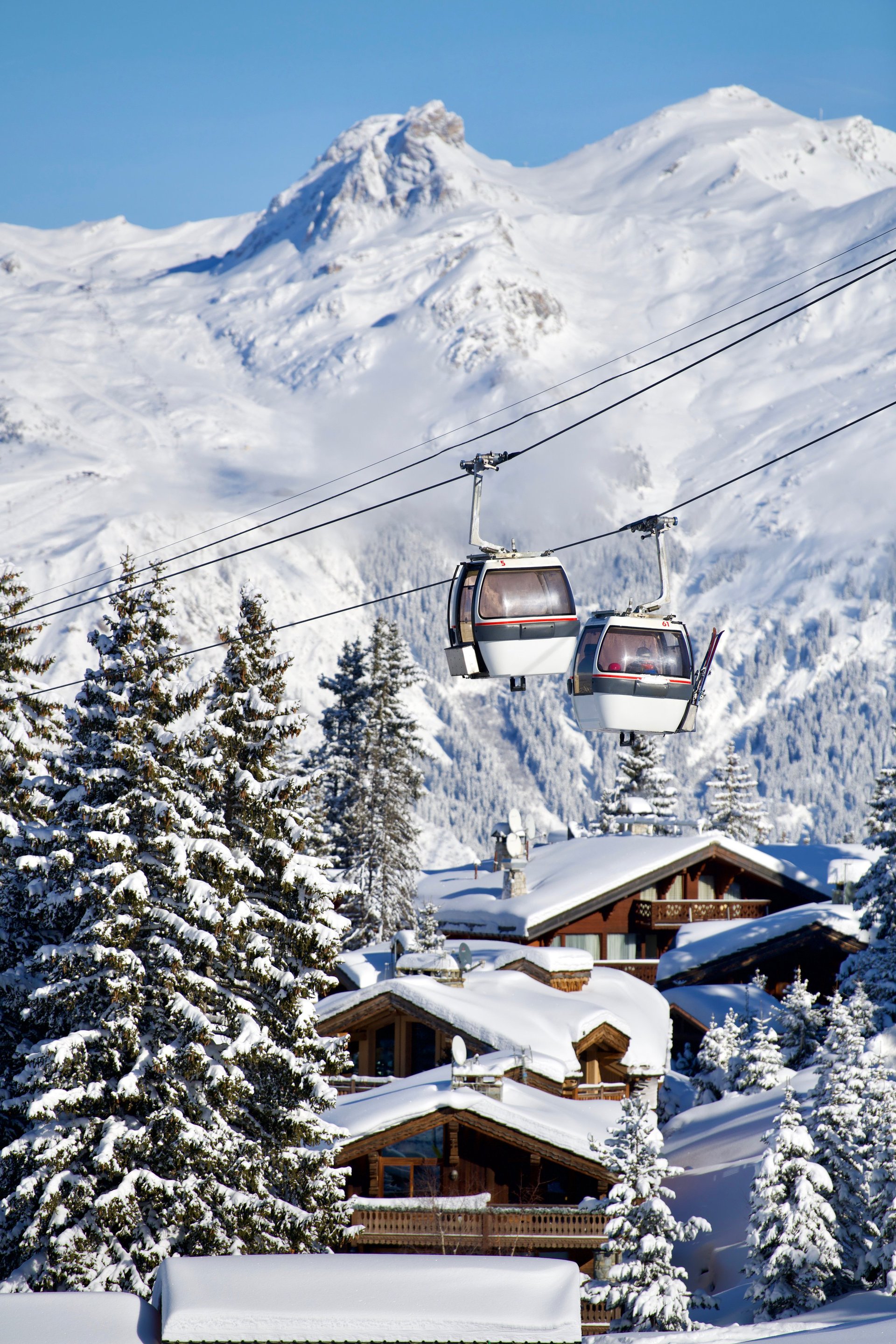
Two titans of alpine luxury. Two continents. One ultimate question: where does the world's elite truly belong when the snow falls? From the Michelin-starred slopes of Les Trois Vallées to the celebrity-studded runs of the Rocky Mountains, VIPMAKKI delivers the definitive verdict on the world's two greatest ski destinations.
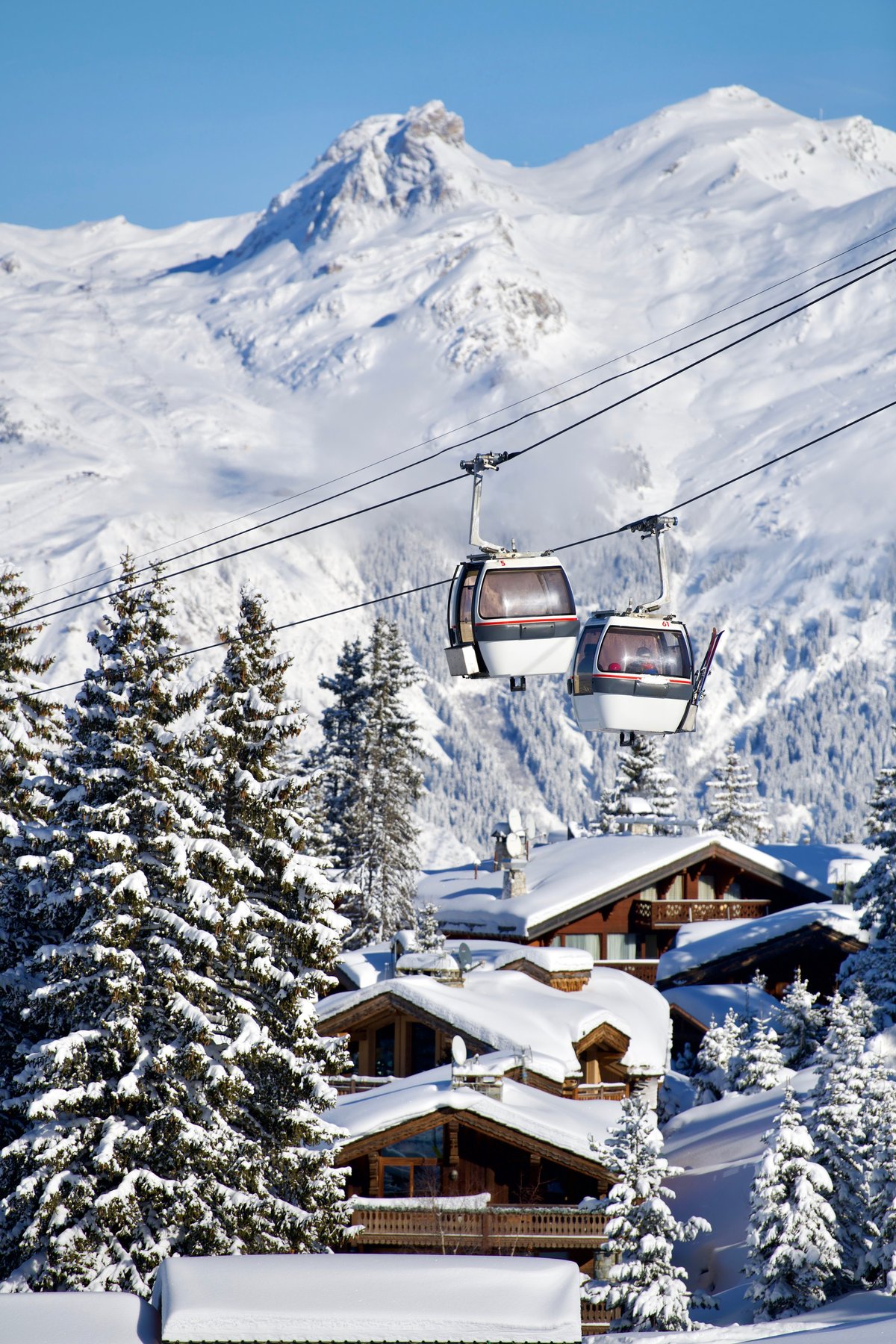
Courchevel is not merely a ski resort — it is the most concentrated expression of alpine luxury on earth. Perched across five villages ascending from 1,100m to the dizzying heights of Courchevel 1850, this French masterpiece sits at the heart of Les Trois Vallées, the world's largest linked ski area. With 600km of groomed pistes, 10 Michelin-starred restaurants, and more palace-rated hotels than any other mountain destination, Courchevel has been the winter playground of European aristocracy, Russian oligarchs, and Middle Eastern royalty for over 75 years. Here, skiing is almost an afterthought to the extraordinary theatre of alpine society that unfolds each winter.
10 Michelin-starred restaurants including Le 1947 at Cheval Blanc — the highest concentration of gastronomic excellence in any ski resort on the planet.
The highest concentration of Palace-distinction hotels in the Alps: Cheval Blanc, Les Airelles, L'Apogée, and the legendary Le K2 Palace.
Hermès, Loro Piana, Moncler, Fendi, and Chanel line the Rue du Rocher — Courchevel's answer to Avenue Montaigne, at 1,850 metres.
600km of interconnected pistes, 166 lifts, and perfectly groomed runs connecting Courchevel to Méribel and Val Thorens — the largest ski domain on earth.
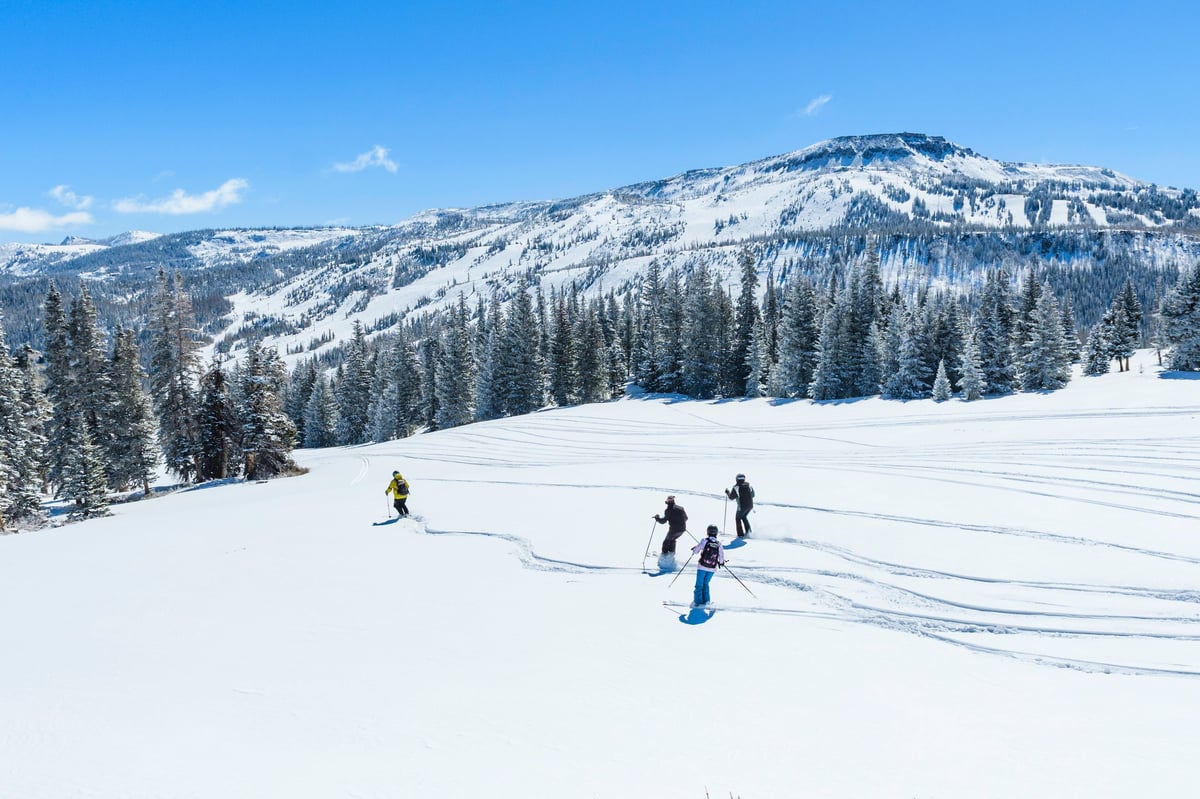
Aspen is the American West's definitive statement of alpine luxury — a 19th-century silver-mining town transformed into the world's most glamorous winter destination. Across four mountains — Aspen Mountain, Aspen Highlands, Buttermilk, and Snowmass — Aspen delivers more than 5,500 acres of terrain served by world-class lifts and legendary powder. But the skiing is only half the story. With the Aspen Institute, the Food & Wine Classic, year-round cultural programming, and a billionaire-to-square-mile ratio that rivals Monaco, Aspen occupies a singular place in the American imagination — part cowboy frontier, part billionaire's playground, and entirely extraordinary.
The Aspen Institute, Wheeler Opera House, and Belly Up draw a global intellectual and cultural elite unmatched by any other American ski town.
Aspen's only ski-in/ski-out five-star at the base of Aspen Mountain, plus the restored 1889 landmark Jerome — the soul of Aspen since the silver rush.
From Matsuhisa to Cache Cache, Element 47 to the Ajax Tavern patio, Aspen punches far above its weight class as a global culinary destination.
5,500+ acres across Ajax, Highlands, Buttermilk, and Snowmass — from the legendary Highland Bowl to perfectly groomed cruisers at Snowmass.
Two icons. Two continents. Two very different visions of alpine luxury. When the world's most discerning travellers ask us where to spend their winter — the answer is never simple. Here is VIPMAKKI's definitive head-to-head analysis across every category that matters.
600km of perfectly groomed pistes across Les Trois Vallées — the largest linked ski area on the planet. Legendary grooming, impeccable lift infrastructure, and terrain that seamlessly connects Courchevel to Méribel and Val Thorens. The sheer scale and variety is unmatched anywhere in the world.
5,500+ acres across four distinct mountains, each with unique character. The legendary Highland Bowl offers some of the most challenging in-bounds terrain in North America. Excellent snow quality but smaller total area compared to Les Trois Vallées.
Sheer scale and grooming perfection give Courchevel the edge for pure skiing.
Cheval Blanc, Les Airelles, L'Apogée, Le K2 Palace — the highest concentration of Palace-rated hotels in any mountain destination. Uncompromising French service, extraordinary spas, and ski-in/ski-out access that sets the global standard for alpine hospitality.
The Little Nell offers genuine ski-in/ski-out five-star luxury with impeccable service. Hotel Jerome provides historic charm. The St. Regis and W Aspen add strong luxury options, but the overall concentration of ultra-luxury properties doesn't match Courchevel.
Courchevel's Palace hotels are in a class of their own in the ski world.
10 Michelin-starred restaurants including Le 1947 (3 stars), Sylvestre Wahid, and Le Farçon. World-class mountain restaurants like Le Cap Horn and La Folie Douce for legendary slope-side lunch scenes. Every major French chef has a presence here.
Matsuhisa, Element 47, Cache Cache, and the Ajax Tavern create a formidable dining scene. The Food & Wine Classic brings global culinary prestige each June. Aspen's dining punches far above its weight for an American mountain town.
Michelin dominance and French gastronomic tradition give Courchevel the clear edge.
La Folie Douce is the wildest slope-side party in Europe — champagne showers, DJs, and dancing on tables by 4pm. Les Caves de Courchevel and Le Grange offer sophisticated late-night scenes. The après energy is unmatched.
Aspen's après game is legendary — Ajax Tavern patio at the base of Aspen Mountain, Cloud Nine Alpine Bistro at Highlands (the Dom Pérignon showers are famous), and Belly Up for world-class live music. The scene is more diverse and accessible.
Aspen's après culture, from Cloud Nine to Ajax Tavern, is the stuff of legend.
Hermès, Loro Piana, Moncler, Fendi, Chanel, Dior — the Rue du Rocher rivals Avenue Montaigne. Courchevel is a legitimate luxury shopping destination where the world's most exclusive brands present their latest collections at altitude.
Gucci, Prada, Ralph Lauren, Moncler, and excellent independent boutiques line Galena and Cooper. Aspen has strong luxury retail but doesn't match the density or exclusivity of Courchevel's Rue du Rocher.
Courchevel's shopping is Avenue Montaigne at 1,850 metres — Aspen can't match the French house concentration.
Courchevel's cultural offering is elegant but limited — art exhibitions within hotels, occasional concerts, and seasonal events. The focus is unapologetically on skiing, dining, and shopping rather than intellectual enrichment.
The Aspen Institute, Ideas Festival, Music Festival, Wheeler Opera House, Aspen Art Museum, and Food & Wine Classic create a year-round intellectual and cultural calendar unmatched by any ski resort in the world. Aspen is a genuine cultural capital.
Aspen's intellectual and cultural calendar is simply in another league.
Courchevel wins on pure luxury metrics — hotels, dining, shopping, and skiing scale. But Aspen wins on culture, après-ski, and that ineffable American energy that makes every visit feel electric. The real answer? You need both. Courchevel for the gastronomy, the Palace hotels, and the sheer perfection of Les Trois Vallées. Aspen for the Highland Bowl, Cloud Nine, the intellectual stimulation, and the soul of a genuine mountain town that happens to be one of the wealthiest zip codes in America.
Courchevel offers vastly more terrain — 600km across Les Trois Vallées versus Aspen's 5,500 acres across four mountains. Courchevel's grooming is legendary; the pistes are perfection. However, for expert skiers seeking true challenge, Aspen's Highland Bowl delivers an in-bounds backcountry experience with no equivalent in Courchevel. For variety and scale: Courchevel. For extreme terrain and powder: Aspen.
Both destinations sit at the absolute peak of luxury pricing. Courchevel's Palace hotels (Cheval Blanc, Les Airelles) can exceed €5,000-15,000 per night in peak season, comparable to Aspen's top suites at The Little Nell ($5,000-12,000 per night). Dining costs are roughly equivalent at the top end, with tasting menus in both destinations ranging from €/$300-600 per person. Courchevel's shopping leans more expensive due to the concentration of flagship European luxury houses.
Both are extraordinarily family-friendly. Courchevel excels with dedicated beginner areas (the Zen Zone), excellent ski schools including ESF and private British ski schools, and hotels like Les Airelles with dedicated children's programming and facilities. Aspen counters with Buttermilk Mountain — arguably the world's best learning mountain — plus Snowmass for family-friendly terrain variety. Aspen's more relaxed cultural atmosphere makes it slightly more approachable for families.
This is Aspen's clearest win. While Courchevel's La Folie Douce is an experience every skier should have at least once (champagne spraying, table dancing by 4pm), Aspen offers greater diversity: Ajax Tavern at the base of Aspen Mountain, Cloud Nine Alpine Bistro (infamous for its Dom Pérignon-fueled parties), Belly Up for world-class live music, and a walkable downtown with dozens of bars and lounges. Aspen's après scene is more democratic and varied.
Aspen is significantly easier for North American travellers, with Aspen/Pitkin County Airport (ASE) receiving direct flights from major US hubs, plus private aviation is widely used. Courchevel has its own altiport (CVF) for private aircraft but requires a transfer from Geneva (2.5 hours), Lyon (2 hours), or Chambéry (1.5 hours) for commercial flights. For European travellers, the reverse is true — Courchevel is a short drive from major European hubs.
Absolutely. The ultimate winter season begins in Courchevel in December (when French snow conditions are at their best), moves to Aspen for the cultural season and legendary February/March powder, and concludes back in Courchevel for the March/April spring skiing. VIPMAKKI's concierge team can orchestrate every detail: private aviation between destinations, villa or hotel arrangements at each, equipment transfers, instructor continuity, and seamless logistics. Contact your VIPMAKKI concierge to begin planning.
Let VIPMAKKI orchestrate your perfect winter season — from Courchevel to Aspen and everywhere in between.
Plan Your Dual-Destination SeasonThe ski comparison is just the beginning. Explore the full spectrum of luxury across the VIPMAKKI platform — from Courchevel to Aspen and every elite destination in between.